Free guide · ages 0 to 8
Brain breaks for kids
25 calming and active ideas you can run in two minutes, no gear needed.
A brain break is a short pause between sitting tasks: one to five minutes of movement or calm, then back to homework, the table or the car. Below are calming brain breaks, active ones, brain break yoga, what fits each age, and a list to print for the fridge. Small, shared moments like these are what we mean by fitness parenting.


9 ideas
Calming brain breaks
Balloon breathing
Hands on the belly. Breathe in slowly through the nose to blow up the “balloon”, then let it out with a long, quiet hiss. Five breaths.
Starfish breath
Spread one hand like a starfish. Trace up a finger with the other hand while you breathe in, down while you breathe out. All five fingers.
Counting breath 4-4-4
Breathe in for 4, hold for 4, breathe out for 4. Three rounds, counted out loud by you. Same idea as Deep Breaths in the app’s Cool Down Champion.
Statue hold
Freeze in any shape and stay perfectly still while you count slowly to ten. Then pick a new shape.
Slow-motion moves
Walk, jump, wave or kick, but in super slow motion, like a film on slow. The slower the better.
Child’s pose rest
Knees wide, sit back on the heels, arms long in front, forehead on the floor. Five slow breaths.
Tree pose
Stand on one foot, the other foot on the ankle or calf (not the knee), arms up like branches. Five breaths, then swap.
Snake nap
Lie on the tummy, cheek on the hands, still and quiet like a sleeping snake. It is the last move of Stretchy Snake in the app.
Rag doll
Stand with soft knees, fold forward and let the arms dangle. Sway gently side to side, then roll up slowly.
9 ideas
Active brain breaks
Animal walks
Bear, crab, frog, penguin. Call a new animal every 15 seconds and move like it across the room.
Freeze dance
Music on, everyone dances. Music off, everyone freezes. Wobblers do one silly jump and play on.
Star jumps
Jump out into a big star, jump back in. Ten, a short rest, ten more.
Bear crawl
Hands and feet on the floor, knees just off it. Crawl to the wall and back.
Frog jumps
Squat low with hands on the floor, jump forward and land soft. Five to ten jumps.
Musical statues
Like freeze dance, but you call the statue: a robot, a tree, a superhero. Musical Statues is a Little Gains workout in the app.
Puddle jumps
Lay cushions or tape squares in a line as “puddles” and jump from one to the next. The app’s version is Puddle Jumpers.
Crab walk
Sit, hands behind you, lift the hips and walk feet first, then backwards.
Ninja tiptoe
Sneak across the room on tiptoes without a sound, then hold a ninja pose. From Ninja Stealth Crawl in the app.
7 poses
Brain break yoga
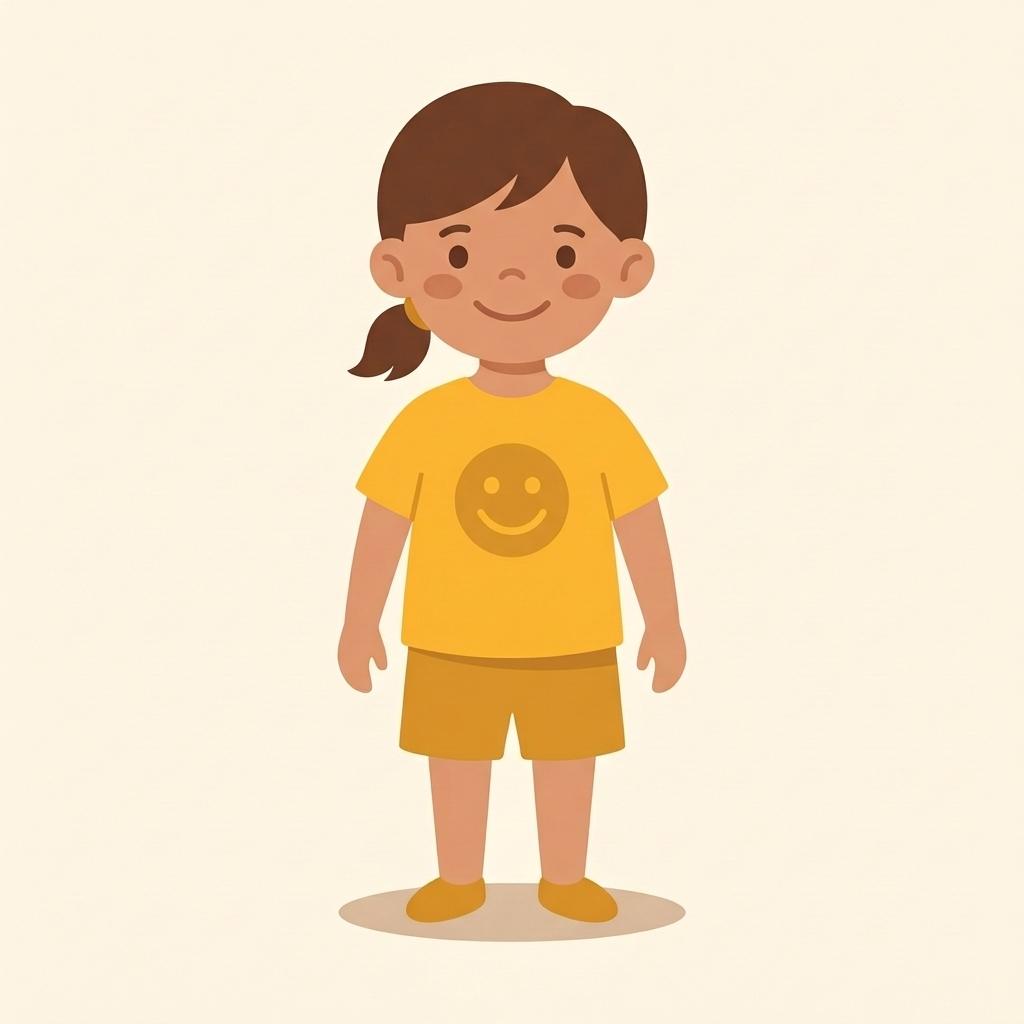
Downward dog
Hands and feet on the floor, hips high, like an upside-down V. Wag the “tail” for three breaths.
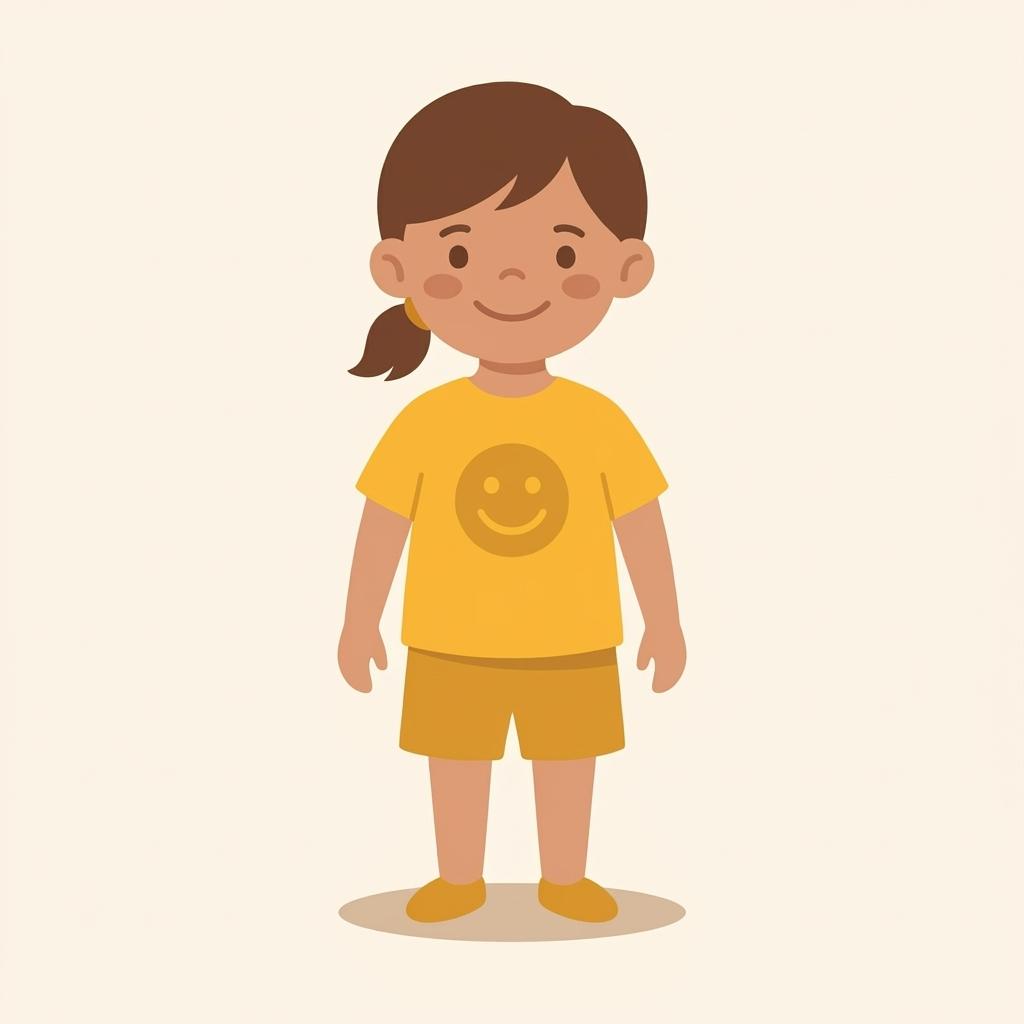
Cobra stretch
Lie on the tummy, hands under the shoulders, lift the chest and hiss. Elbows stay soft.
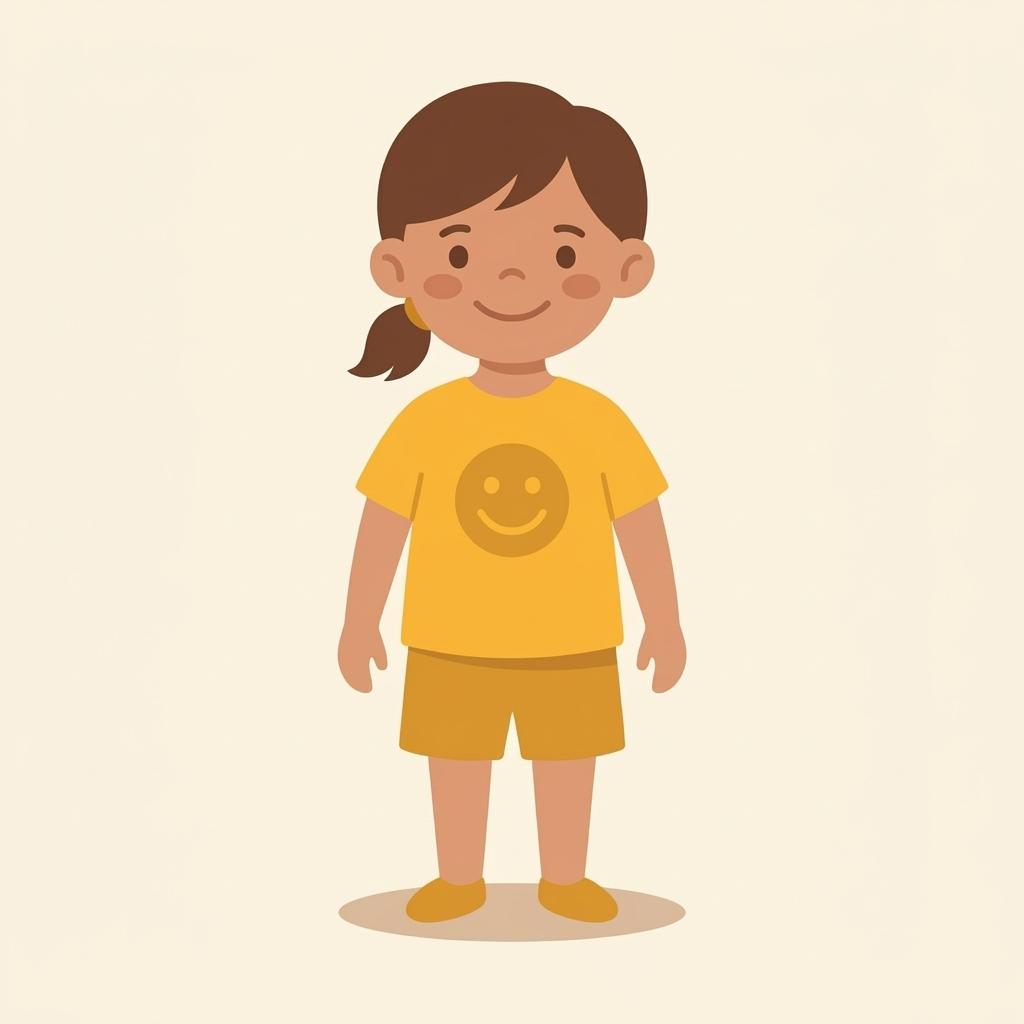
Flamingo stand
Stand on one leg, lift the other knee, arms out like wings. Count to five, then swap.
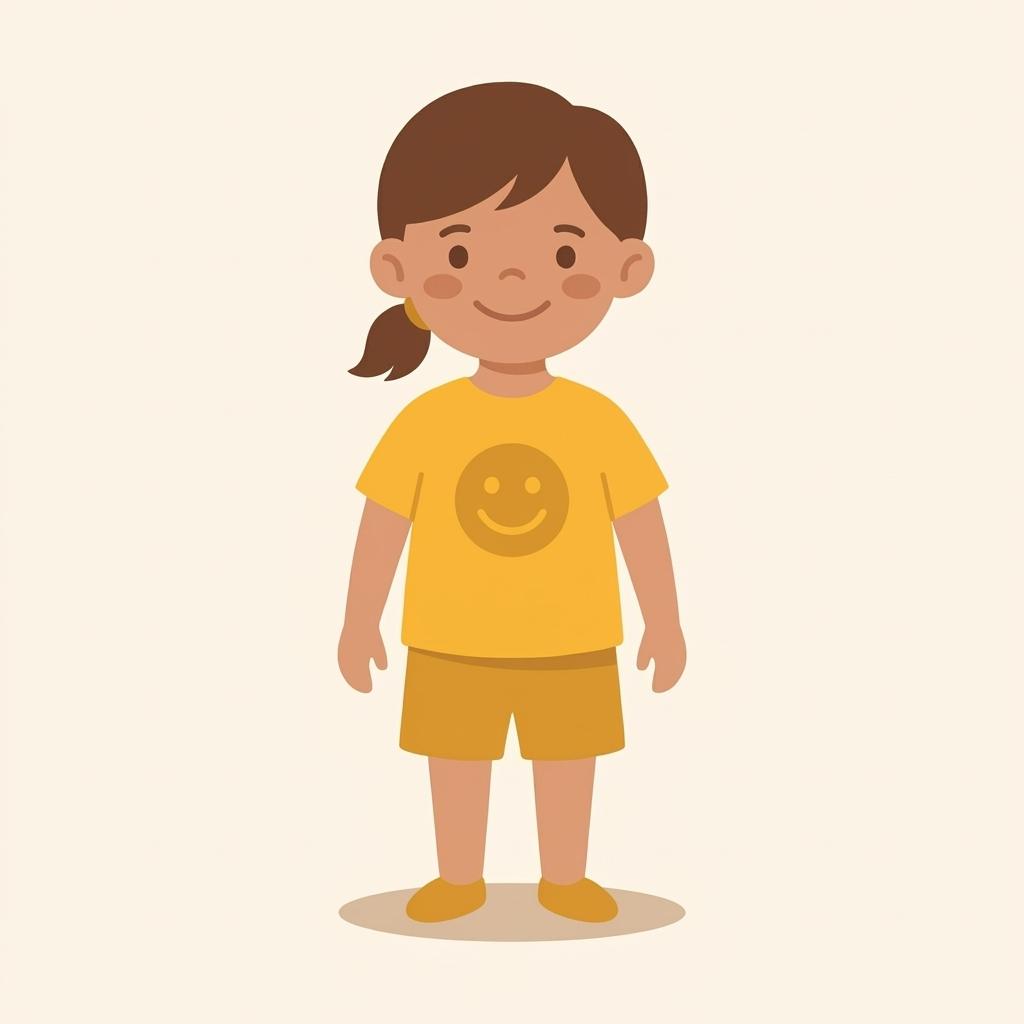
Cat-cow
On hands and knees, round the back up like a cat, then let the tummy drop and look up like a cow. Slow, with the breath.
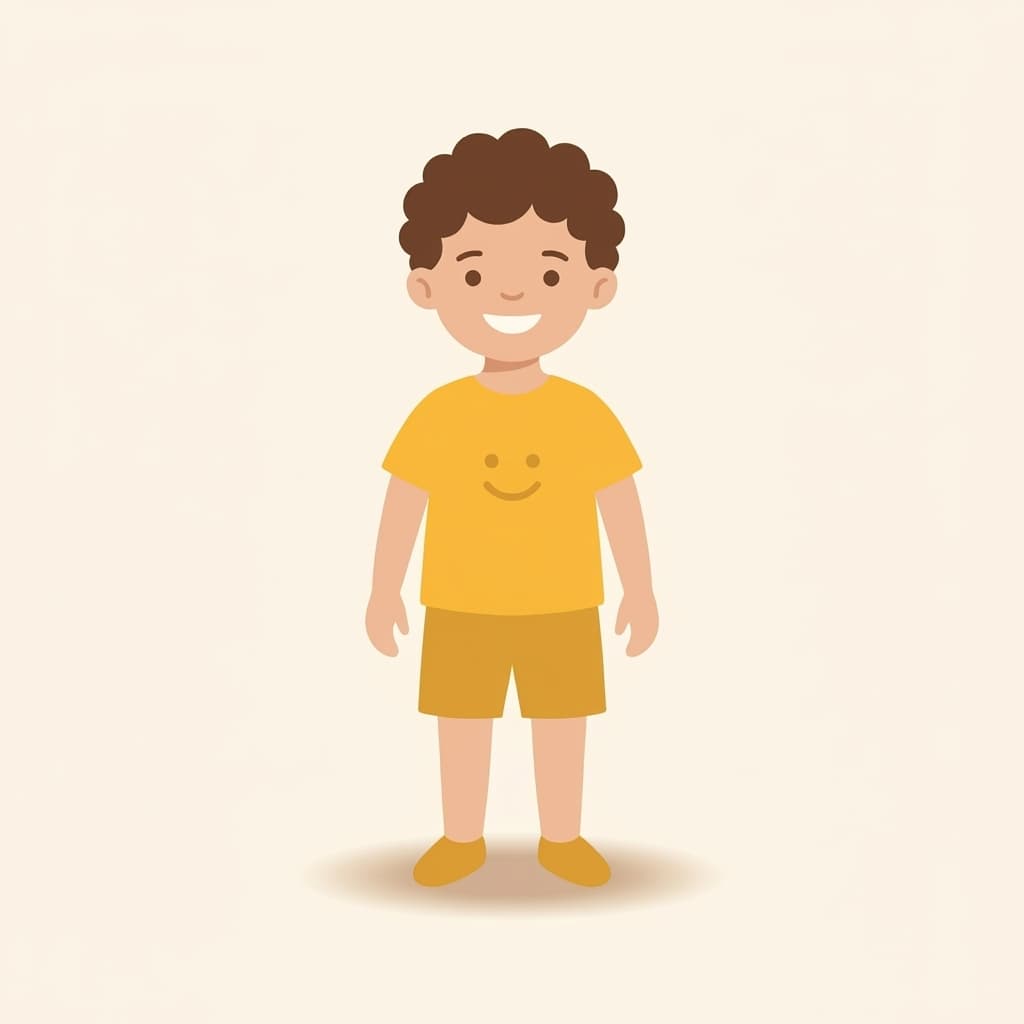
Butterfly sit
Sit tall, soles of the feet together, and flap the knees slowly like wings.
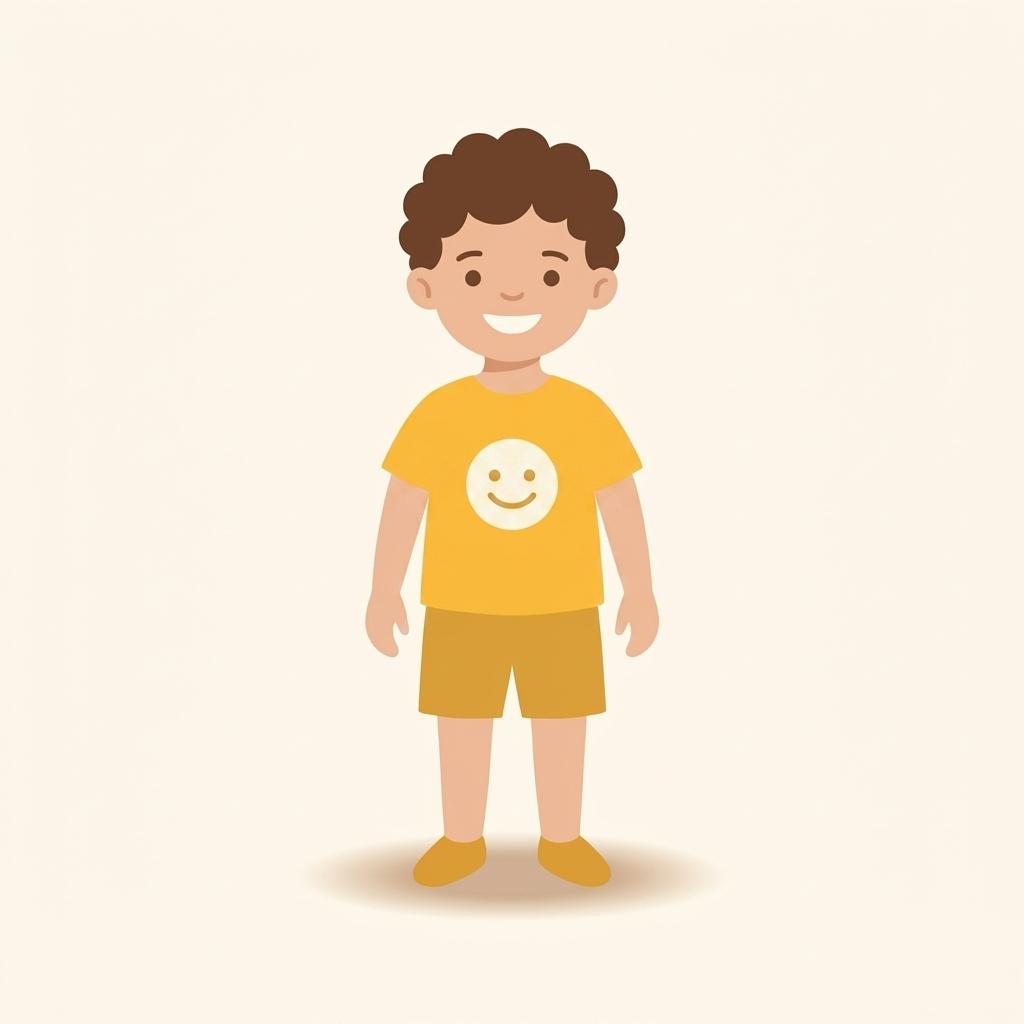
Star stretch
Stand with feet wide and arms wide, reach long through the fingers and toes. Hold for three breaths.
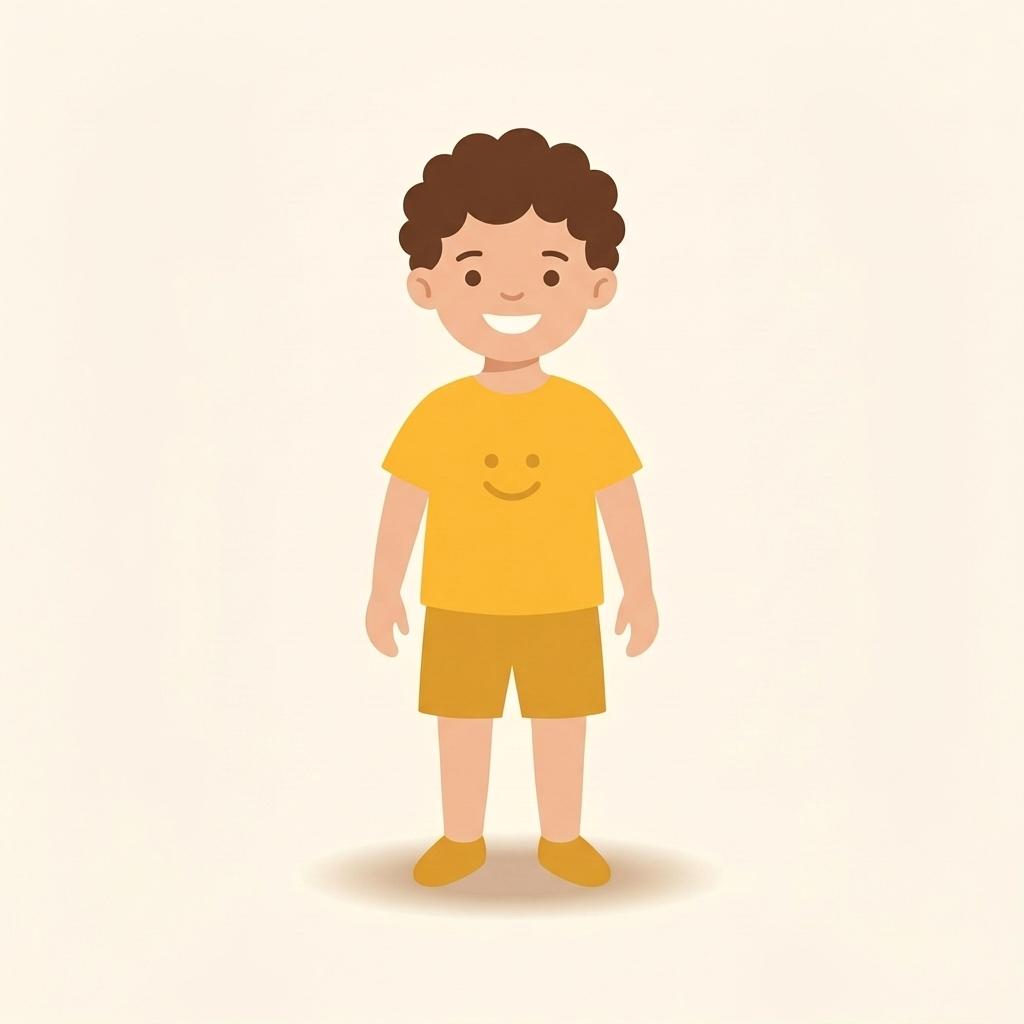
Rainbow side bend
Arms up, reach over to one side to draw a rainbow, back up, then the other side.
Brain breaks by age
0–2
Tiny Gains
Parent-led and on the floor together: gentle bicycle legs, reach for the sky, a cuddle-ball rock, rolling, crawling races. Thirty seconds to a minute, follow their lead.
In the app: Baby Yoga, Rhythm & Roll, Goodnight Stretch
2–4
Little Gains
Freeze games, puddle jumps, animal walks and big simple shapes. One cue at a time, lots of copying you.
In the app: Dance Freeze Yoga, Musical Statues, Puddle Jumpers, Rainbow Stretch
4–6
Junior Gains
Animal yoga, counting breath, crab walks and short freeze-dance rounds. They can start calling the next move.
In the app: Yoga Animals, Stretchy Snake, Freeze Dance Party, Cool Down Champion
6–8
Strong Gains
Star jumps, ninja tiptoe, longer balance holds and a real stretch flow. Let them lead the break for the family.
In the app: Flexibility Flow, Ninja Stealth Crawl
Brain breaks at home vs. in the classroom
At home
Tie it to a moment that already happens: after homework, before dinner, between screen time and bath. Siblings can do it together, and you join in. Active breaks fit the late afternoon; save the calming ones for the hour before bed, like in our bedtime wind-down routine.
In the classroom
Pick moves that fit next to a desk with no contact: statue holds, star jumps on the spot, tree pose, slow-motion moves, balloon breathing. Use one quiet signal to start and stop, and keep it to two or three minutes so the switch back is easy.
How to run a 2-minute calming brain break
- 1
Set a two-minute timer
Two minutes is enough. A timer makes the end clear, so nobody argues about when it stops.
- 2
Clear a small space
An arm’s length around each kid and nothing on the floor to trip over. An adult stays in the room.
- 3
Give one cue at a time
Start with balloon breathing: “Hands on your belly, breathe in through your nose… and hiss it out.” Five slow breaths.
- 4
Move slowly together
Do a tree pose on each foot, then a slow-motion walk across the room. You do it too; kids copy what they see.
- 5
Finish still
End in child’s pose or a statue hold for five breaths. Stop any move that hurts.
- 6
High five, back to it
One high five, then straight back to the next task while the timer is still fresh in their head.
Safety sense: clear the floor, keep an adult nearby, never push a stretch, and stop if anything hurts. Breathing games are gentle; nobody holds their breath for long.
Printable
Printable brain breaks list
Every idea on one page. Print it, stick it on the fridge or the classroom wall, and tick one off each break.
Calming
- Balloon breathing: 1 min, ages 3–8
- Starfish breath: 1 min, ages 4–8
- Counting breath 4-4-4: 1 min, ages 5–8
- Statue hold: 1 min, ages 2–8
- Slow-motion moves: 1–2 min, ages 2–8
- Child’s pose rest: 1 min, ages 2–8
- Tree pose: 1 min, ages 3–8
- Snake nap: 1 min, ages 3–8
- Rag doll: 1 min, ages 3–8
Active
- Animal walks: 2 min, ages 2–8
- Freeze dance: 2–3 min, ages 2–8
- Star jumps: 1 min, ages 4–8
- Bear crawl: 1 min, ages 3–8
- Frog jumps: 1 min, ages 3–8
- Musical statues: 2 min, ages 2–6
- Puddle jumps: 1–2 min, ages 2–5
- Crab walk: 1 min, ages 4–8
- Ninja tiptoe: 1–2 min, ages 5–8
Brain break yoga
- Downward dog: 3–5 breaths, ages 3–8
- Cobra stretch: 3–5 breaths, ages 3–8
- Flamingo stand: 3–5 breaths, ages 3–8
- Cat-cow: 3–5 breaths, ages 3–8
- Butterfly sit: 3–5 breaths, ages 2–8
- Star stretch: 3–5 breaths, ages 2–8
- Rainbow side bend: 3–5 breaths, ages 2–8
How to run one
- Set a two-minute timer: Two minutes is enough
- Clear a small space: An arm’s length around each kid and nothing on the floor to trip over
- Give one cue at a time: Start with balloon breathing: “Hands on your belly, breathe in through your nose… and hiss it out
- Move slowly together: Do a tree pose on each foot, then a slow-motion walk across the room
- Finish still: End in child’s pose or a statue hold for five breaths
- High five, back to it: One high five, then straight back to the next task while the timer is still fresh in their head
More reads
- Turn two breaks into a full 5-minute kids workout.
- A kid who never stops? Read the movement plan for high-energy kids.
Brain breaks: questions parents ask
What is a brain break?+
A brain break is a short pause between sitting tasks, usually 1 to 5 minutes. Kids either move (animal walks, freeze dance, star jumps) or do something slow and quiet (balloon breathing, a statue hold, child’s pose), then go back to what they were doing.
How long should a brain break be?+
Between one and five minutes. Two minutes works for most kids. Set a timer so the end is clear, and keep it short enough that they still want more.
What is the difference between calming and active brain breaks?+
Active brain breaks are about big movement: jumping, crawling, dancing. Calming brain breaks are slow and quiet: breathing games, slow stretches and holds. Many families do an active one after a long sit and a calming one before something quiet, like reading or bedtime.
Do brain breaks work for toddlers?+
Yes, keep them short and do them together. Under 2, it is parent-led play on the floor, like bicycle legs or a gentle rock. From 2, toddlers love freeze games, puddle jumps and animal walks with one simple cue at a time.
Can I do brain breaks without equipment?+
Yes. Every idea on this page needs only a bit of clear floor. Cushions or a strip of tape are handy for puddle jumps, but nothing is required.
Is BabyGains Play free?+
BabyGains Play is free to download with five starter workouts. The full library of 155 workouts and 700+ illustrated moves is in the Basic and Family plans, and both start with a 7-day free trial.
Fitness Parenting
Keep going
- What is fitness parenting?Fitness parenting is raising kids who move by making movement a shared, everyday family habit: you move with your child, in short playful sessions, and screens start the movement instead of replacing it.
- The ABCs of fitness26 alphabet exercises, A to Z, for kids 0 to 8. The basic moves every kid learns first.
- Kids workout appBabyGains Play: five-minute guided sessions you do together. Active screen time, then the phone goes in your pocket.
- Free Kids PlayguideReal workouts and routines from the app, sorted by age. Free, no download.
- Yoga for preschoolersPrintable poses and five-minute sessions for toddlers and preschoolers.
- Family workout12 exercises parents and kids do together, ages 0 to 8.
BabyGains Play
Five minutes, guided. Phone in your pocket.
155 workouts and 700+ illustrated moves, sorted by age. The phone starts the session, then goes in your pocket while they move. From BabyGains, trusted by 5,000+ families.